NSW STRA registration: what hosts must do before advertising
Registration, the property ID, the 180-night cap, fire safety and the code of conduct — the six things every NSW short-stay host has to have in place, in order.
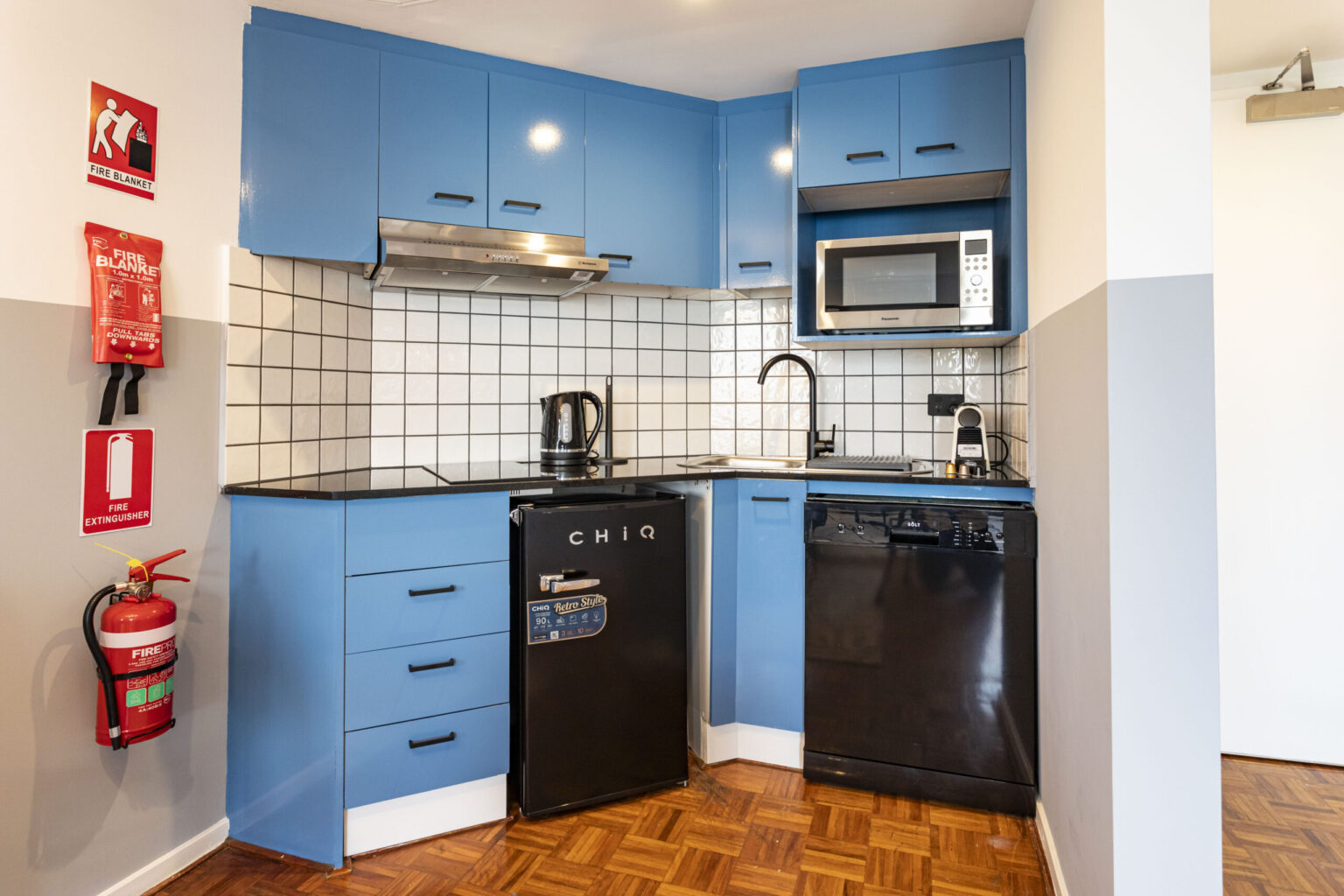
If you let a property short-term anywhere in NSW, you are operating inside the state’s short-term rental accommodation framework, usually just called STRA. It is not optional and the platforms are checking. Here is what you must have in place before the listing goes live, in the order it happens.
1. Check you are allowed to
Before anything else: your strata scheme. Owners corporations in NSW can adopt a by-law prohibiting non-hosted short-stay letting, and many Sydney buildings have. If your scheme has one, registration will not save you. Get a copy of the by-laws from your strata manager and read them.
2. Register the property
Every STRA dwelling must be registered on the NSW Planning Portal before it is advertised. Registration is $65 for the first year and $25 a year after that. You receive a property ID, and that ID must appear on every listing, on every platform. Airbnb and Stayz will not let a NSW listing go live without it. You need to nominate whether the property is hosted (you live there during the stay) or non-hosted, because different rules follow.
3. Understand the night cap
Non-hosted properties in Greater Sydney, Ballina, Byron Shire, some Clarence Valley and Muswellbrook locations are capped at 180 nights a year. Bookings of 21 nights or more do not count towards the cap. Hosted properties have no cap. Outside those areas, including Wollongong, Newcastle and most regional NSW, there is no cap. The platforms track the count against your property ID.
4. Meet the fire-safety standard
This is the part most hosts under-do. A STRA dwelling must have interconnected smoke alarms in every bedroom, hallway and level, an evacuation diagram displayed in the dwelling, and heat alarms in any enclosed garage. Older terraces and walk-ups almost never have interconnected alarms out of the box. Opera’s licensed fire-safety technicians install, test and record all of it, and the records are what you produce if a council inspector asks.
5. Read the code of conduct
The mandatory STRA code of conduct applies to hosts, guests, letting agents and platforms. For hosts, the practical obligations are: keep a current contact who can respond to complaints, hold public liability insurance, display the code for guests, and keep the property in a condition that does not create a nuisance for neighbours. Two strikes under the code, typically for noise or anti-social behaviour, can see a property placed on the exclusion register for five years. This is why problem-guest escalation is a compliance tool, not a luxury.
6. Keep the records
Registration details, the property ID, the strata by-law check, fire-safety test records, insurance certificate, the evacuation diagram, and a log of any complaints and how they were handled. Nobody asks until something goes wrong; then everybody asks at once.
What Opera does and does not do
We handle the physical and record-keeping side: alarms, extinguishers, blankets, evacuation plans, signage, testing, and a documented history. Registration, planning questions and by-law disputes are yours or your adviser’s. We will tell you plainly when a property we service looks non-compliant, because a struck-off property is bad for both of us.