What does an Airbnb cleaning fee actually cover in Sydney?
Most hosts set the fee by copying the listing next door. Here is what a turnover really costs in 2026, item by item, so you can set it properly.
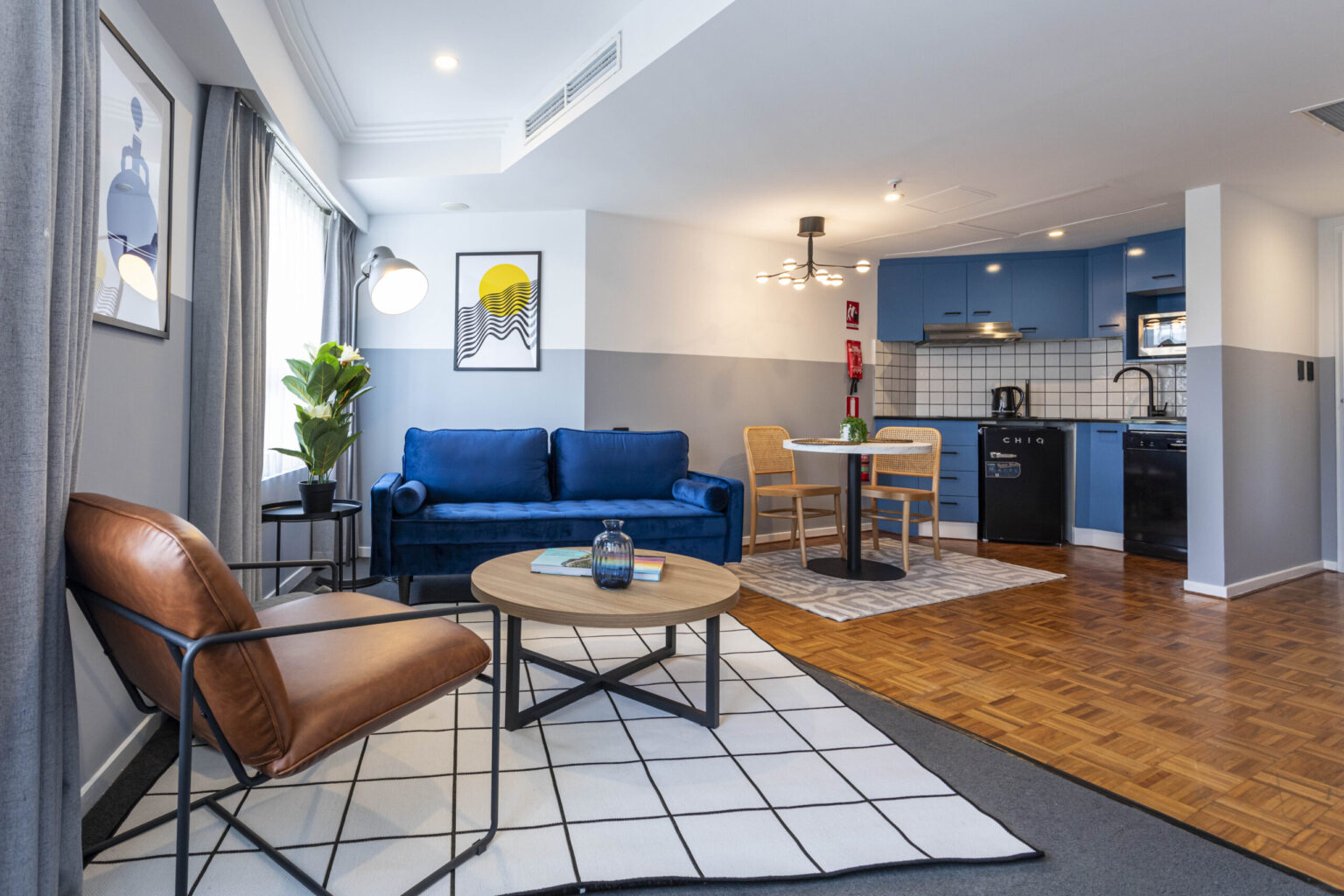
Every Airbnb listing in Sydney carries a cleaning fee, and almost every host sets it by looking at what the listing next door charges. That is backwards. The fee should recover what a turnover actually costs, and most hosts have never priced one properly. Here is what goes into it.
1. The clean itself
A short-stay turnover is not a house clean. A domestic cleaner works to the hours booked; a turnover housekeeper works to a checklist and a check-in time. Every surface a guest is likely to photograph is on the list: shower screens, grout, the inside of the fridge, under the bed, the top of the extractor. In Sydney in 2026, a studio or one-bedroom turnover from a proper operator sits anywhere from about $50 for high-volume contract work to $180 for a one-off, and a three-bedroom house from $90 to over $300. The spread is the difference between a team scheduled inside a portfolio and a sole trader driving across the city for one job.
2. Linen
This is the cost hosts under-count most. Washing on site puts a two-to-three-hour machine cycle inside a four-hour turnover window, which is why so many late check-ins trace back to a dryer. Commercial linen hire runs roughly $15 to $30 per bed per changeover in Sydney, towels included, and the linen never greys, pills or goes missing on your account. If you wash your own, add machine time, power, detergent, the housekeeper’s waiting time and replacement stock every twelve to eighteen months.
3. Consumables
Toilet paper, hand soap, shampoo and conditioner, dishwasher tablets, coffee, tea, bin liners. Individually trivial, collectively $8 to $20 a turnover depending on what your listing promises. Guests review the absence of these things far more often than the presence.
4. Access and travel
A Surry Hills terrace with no parking within a block costs more to service than a Parramatta tower with a booked dock, because a housekeeper spends twenty minutes finding a park before opening a cupboard. Sydney operators either build this into the per-job rate by area or add an access loading. Either way, it is real.
5. Supervision and reporting
The cheapest turnover has nobody checking it. The next-cheapest has the housekeeper sending a text saying it is done. A turnover with a supervisor sign-off and timestamped photographs against the booking costs a little more and saves you the first cleanliness complaint, because you can show the property was right before the guest walked in. See how we run turnovers.
6. Faults and restocking
A turnover is the only time anyone looks at your property between stays. If the housekeeper finds a dripping tap, a blown globe or a cracked tile and reports it with a photo the same day, that is a $139 callout. If the next guest finds it at 11pm, it is a bad review and a refund. The fee should cover the looking, even if the fixing is billed separately.
So what should you charge?
Add up the items above for your property, then decide how much to recover in the fee versus the nightly rate. Two things are worth knowing. First, Airbnb’s ranking now weighs total price including fees, so a very high cleaning fee hurts visibility on short stays. Second, a fee well below your actual cost means every one-night booking loses money. Most Sydney hosts land on a fee that recovers the clean and linen, and let the nightly rate carry consumables and wear.
If you want to see what it costs with an operator that prices per job rather than as a percentage of your revenue, our rate card is public.